About Us

About Us
mrpetsexpert

Search This Blog

Friday, April 5, 2024

Why Cats Overgroom and How to Stop It

Why Cats Overgroom and How to Stop It

 Why Cats Overgroom and How to Stop It

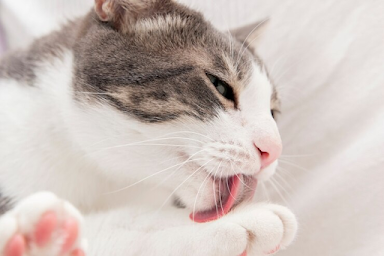
Felines overgroom for clinical reasons and social reasons. However, if your feline doesn't have a clinical motivation to prep themselves, similar to an injury, that is called psychogenic alopecia. They will invest an excess of energy licking and preparing themselves, causing injuries and balding. The essential driver for overgrooming in felines is stress.1 By treating the reason for the pressure and adding pressure-alleviating exercises and pheromones to the feline's day, you can assist your feline with halting overgrooming.

What Causes Cats to Overgroom?


Why Cats Overgroom and How to Stop It


The unavoidable kind of pressure that normally causes psychogenic alopecia is probably going to be ongoing and comprises of various joined stressors, like long-lasting changes in the daily schedule and environment.2 This could incorporate the shortfall of a specific relative given death, separate, longer work hours, excursion, or takeoff for school, notwithstanding:
  • The appearance of another fuzzy or human relative
  • Moving to another loft or house
  • Revamping some or the entirety of the furnishings
  • Moving the litter box to another area
  • Absence of ecological improvement for the kitty
  • Residing in a turbulent family
Different felines may overgroom as a result of clinical reasons. For instance, assuming something is making your feline be bothersome, it might overgroom trying to ease the itch.2 Felines can have aversions to food, insects, or different components of their current circumstance. Consider any new dietary or ecological changes that could underlie this way of behaving. On the off chance that you figure your feline could have a sensitivity, consider making a meeting with a specific veterinary dermatologist, who can test your kitty to decide whether this is the reason.
Signs
Why Cats Overgroom and How to Stop It

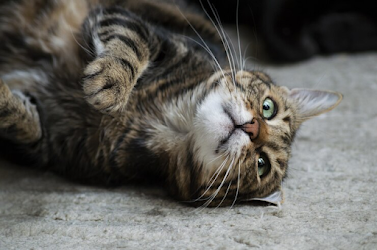
Assuming your feline is overgrooming, you'll see a line or stripe of exceptionally short stubble that seems to be a buzz-cut.2 It can happen anyplace on your feline's body yet is most normal on a foreleg, an internal thigh, or the midsection. Assuming the way of behaving is serious, the skin under the fur might become harmed, seeming red, or sore.

How to Stop Overgrooming
Why Cats Overgroom and How to Stop It

You'll require a veterinarian to preclude any ailments and affirm the finding of psychogenic alopecia.2 Meanwhile, attempt to sort out the explanation your feline is feeling restless. In the event that you can distinguish the reason and dispose of it, the way of behaving may progressively disappear all alone. You can likewise attempt a couple of tips to assist with facilitating your feline's uneasiness and overgrooming conduct:

  • On the off chance that your feline is focused on by the shortfall of somebody, request that the individual abandon an unwashed shirt or cover in a fixed ziplock sack. This could give your resentful kitty a scented jolt of energy.
  • Acquaint another feline progressively with decrease feelings of anxiety in both. Indeed, even sure felines might experience the ill effects of stowed away pressure that shows itself as apprehensive licking.
  • Play treatment is likewise an incredible pressure reliever. It can assist with building your kitty's self-assurance and assist it with partner a positive involvement in the new house or another pet or individual. Intuitive games are ideal, for example, pursue the-casting rod draw or laser tag for felines.
  • A splash or module pheromone item, as Feliway, can be useful to ease pressure. Feliway and other manufactured pheromone items are like the aroma felines normally produce. You can splash it or rub it on articles, and it has a quieting impact.

During a vet visit, the specialist will preclude any clinical purposes behind your feline's overgrooming. This could incorporate sensitivities, bug invasion, skin vermin, ringworm, bacterial or parasitic diseases, or metabolic circumstances, similar to hyperthyroidism. Skin biopsies, lab work, and an exhaustive actual test can be generally useful to your vet in making the right determination. Any clinical treatment will shift in light of the vet's discoveries.

Generally speaking without a clinical conclusion, extreme licking ways of behaving require hostile to nervousness drug treatment endorsed by a vet to break the licking cycle.2 Ordinarily the feline doesn't need to be on these prescriptions its whole life, only for a while to assist the creature manage pressure. Continuously adhere to your veterinarian's guidelines on the off chance that your feline is put on any enemy of uneasiness medicine. Any drug or preparing for this conduct requires some investment and persistence to see an impact.

Realize that any treatment answers for psychogenic alopecia may not be super durable. Assuming that your feline tends to overgroom, this might repeat out of the blue and could be a marker that your feline is feeling worried once more.
 
 Thank you for reading  Why Cats Overgroom and How to Stop It

Thursday, April 4, 2024

Solve Aggression Between Household Cats


Solve Aggression Between Household Cats

 Solve Aggression Between Household Cats

What Causes Domestic Cats to Become Aggressive?

Hostility isn't a finding; it is important for typical cat conduct and is firmly impacted by early friendly history and openness to people and different creatures, orientation, social setting, dealing with character, and numerous different factors. Animosity between cohabitating felines can come in a few structures with various causes. Dread, uneasiness, clinical issues, the unseemly presentation of another feline, and the absence of assets all can add to feline hostility inside a family.

Inadequate Socialization

 
Solve Aggression Between Household Cats

Socialization is the most common way of setting up a feline to appreciate connections and be OK with different creatures, individuals, spots, and exercises. Preferably, socialization ought to start during the "delicate period" which is somewhere in the range of 2 and 7 weeks old enough for little cats.

Many felines don't get satisfactory socialization and because of this, issues are bound to emerge when at least one grown-up that poor person has been associated with their own species is involved. Since these felines need proper encounters, they don't grasp typical cat correspondence and decorum and are probably going to have extraordinary and unseemly reactions to seeing another feline. They might take off and conceal in dread, or they might go after trying to drive the other feline away from their own space.

During satisfactory socialization, the creature ought to foster a suitable social way of behaving towards their own species and those others with which they have been fittingly mingled. This will decidedly impact social conduct communicated further down the road.


RELATED: Asthma-in-cat.

Introducing the New Feline

Solve Aggression Between Household Cats

Appropriately presenting your new feline with your current felines is fundamental, as presentations frequently lay the preparation for their relationship. If your ongoing feline has lived with different felines and was consistently cordial it tends to be exceptionally enticing to simply let your new feline out in a similar space as your ongoing feline. You might expect they will simply sort out it; in any case, felines don't generally become friends the correct way and a negative starting gathering can set an unfortunate starting point for their relationship.

Feline-to-feline presentations ought to be done gradually, and with the requirements of each feline remembered. It is hard to fight the temptation to have the felines meet right away so they can start a brilliant kinship; be that as it may, assuming that you set your new feline free in the home various things can occur with not exactly heavenly outcomes.

Your current feline might feel that their region has been attacked assuming the novice is simply set free to investigate. This could prompt your laid out feline inclination risk in their home and thus that prompts conduct changes or it very well may be forceful (hostile) towards the new feline. That doesn't help both of them!

From the new feline's viewpoint, it is uncertain of where it is. Each fragrance and sound is new and a potential danger prowls everywhere. If you have embraced your new feline, it has likely encountered a controlled number of sounds and scents. It might likewise be accustomed to living in a little space and keeping in mind that you maintain that it should encounter 'opportunity', surging it can leave it feeling extremely wrecked and focused.


RELATED: Treatment-and-prevention-of-cat-fleas

How to Handle Feline Aggression

Solve Aggression Between Household Cats
 

  • Hostility alludes to a wide assortment of mind-boggling ways of behaving that happens for various reasons under different conditions. Early intercession is ideal — contact your veterinarian and credentialed feline conduct proficiently to help when you notice strain and animosity between felines.
  • Recognize any triggers that resentful your felines (for example representation of outside felines, noisy clamors) and change the climate with the goal that they are limited/eliminated.
  • Establish an advanced cat climate that takes into consideration normal adapting systems. This incorporates various raised single feline estimated resting roosts all through the climate, numerous litter boxes (the quantity of litter boxes ought to rise to the number of felines in addition to one) in various areas all through the home, different taking care of and watering stations, different scratching posts/cushion, and so on.
  • Keep felines isolated when not regulated or assuming animosity is gentle to serious, or keep them isolated consistently to try not to have negative relationships with one another.
  • Step by step, introduce the felines utilizing counterconditioning and desensitization and observing intently for indications of stress and uneasiness.
  • Learn and screen non-verbal communication and at the principal sight of hostility, following, or harassing, you ought to emphatically divert the assailant feline with a toy or treat away from the other feline.
  • Keep away from discipline. This incorporates shouting, splashing with water, clearly clamors (shaking jars of pennies, applauding) hitting, and so forth. Discipline can help the feline to detest the other feline more by partnering the discipline with the other feline and can cause heightened dread and nervousness and break the human-creature bond. 

Tuesday, April 2, 2024

Treatment and Prevention of Cat Fleas


Treatment and Prevention of Cat Fleas

Treatment and Prevention of Cat Fleas

Feline insects are little parasites that feed on the blood, causing tingling and aggravation. Weighty bug pervasions and unfavorably susceptible responses to insects can prompt going bald and serious injuries. More regrettable yet, feline bugs can send illnesses that are perilous to felines and people. This is the very thing that you really want to be familiar with insects and your feline, including identification, treatment, and anticipation.

What Do Fleas Mean?

Bugs are little parasitic bugs that eat the blood of well-evolved creatures and birds. While there are more than 2,200 types of insects, the feline bug, Ctenocephalides felis, is the species that most regularly influences felines and canines. Their level bodies are major areas of strength and make it simple for insects to hop on a host and creep through the fur, benefiting from the blood of the host en route.

RELATED: How-to-treat-Lyme-disease-in-cats

Life Cycle of Fleas

A grown-up female bug can lay at least 20 eggs each day. At the point when eggs hatch, the hatchlings feed on bug feces on the feline and in the climate for a few days. They then, at that point, structure a defensive cover and enter the pupal stage, where they'll develop until they are prepared to arise as grown-ups. Bug pupae are solid and can oppose insect poisons; they can stay torpid in the climate for days, weeks, or even a long time until a reasonable host is accessible.

Insects Can cause Illness

Insects are known to convey a few microbes, some of which can influence the two felines or humans:

Tapeworms are gastrointestinal parasites that felines can get from ingesting bugs, however, they seldom influence individuals.

Feline scratch illness is a contamination brought about by the microorganisms Bartonella henselae. Felines don't normally become ill from this, yet they can communicate the microbes to people through a scratch or nibble.

Plague is brought about by the bacterium Yersinia pestis, conveyed by rat insects. Felines are not ideal hosts for these bugs, but rather it's as yet feasible for them to send plague to you or your feline.

Bug-borne (murine) typhus is brought about by the microorganisms Rickettsia spp., which can be tracked down in feline bugs. Little is realized about its impact on felines, however it can cause disease in people. 

RELATED: Human-foods-which-are-poisonous-to-cats

Side Effects of Bugs in Felines

Treatment and Prevention of Cat Fleas

Bugs don't necessarily cause clear signs in felines, yet tingling and disturbance will happen when a feline is hypersensitive or delicate to the bug's spit. Normal indications of bugs on felines include:

Tingling

Red nibbles or scabs

Going bald

Insect soil (fertilizer that seems to be dark bits) on the skin, fur, or bedding

Skin disease

On the off chance that you notice your feline scratching and don't know whether bugs are the reason, you can utilize your fingers or a bug search to search for hastening insects or bug soil in the feline's fur, particularly around the head, neck, and base of the tail.

On the off chance that you don't see bugs or insect soil, it isn't guaranteed to mean your feline is without bugs. A few felines will ingest bugs and insect soil while preparing, making it hard to recognize the indications of a bug invasion.

Notwithstanding the bug bothering, felines can contract bug-borne ailments or experience the ill effects of blood misfortune. Bug frailty is most normal in little cats with huge quantities of insects.

RELATED: Asthma-in-cat.

What Causes Insects on Felines?

Treatment and Prevention of Cat Fleas

Open-air felines experience bugs in the common habitat, and because they are regular hosts for these parasites, they gather them without knowing it. Indoor felines can draw in bugs that have hitched a ride into the home on canines or individuals. Certain elements might expand the chances of a feline drawing in bugs, including:

Clammy, lush environmental factors

Long grass

Indoor insect invasion (floor coverings, bedding)

Adjoining bug issues (particularly in apartment buildings)

Moving to another home that recently had insects (pupae may abruptly arise and pervade)

The most effective method to Treat Felines with Insects

Treatment and Prevention of Cat Fleas

In the first place, attempt to kill however many bugs as you can from your feline by searching through the fur with a bug brush. Store the bugs in lathery water or a weakened fade arrangement so they don't get away from the climate once more. Washing can likewise help, however, it's anything but a basic step, so don't drive it on the off chance that your feline denies it.

Once the greater part of the insects are gone, counsel your veterinarian to decide the best and most secure bug control item for your feline. A few oral and effective bug control items are available and new items come out consistently.

An insect invasion can be a test to oversee because total destruction requires a multi-layered approach

All family pets should be treated with a compelling bug-control item.

The home climate should likewise be treated for insects.

It can require a while of treatment (both on the feline and in the home) to dispose of a bug pervasion. Halting medicines too early will make bugs quickly reappear.

Home Treatment

Treatment and Prevention of Cat Fleas

As a component of the bug treatment process, you should eliminate insects and their eggs from your home to forestall reinfestation. To do this actually, you should:

Wash all sheet material completely in steaming hot water if conceivable. While the sheet material is liberated from covers, vacuum the sleeping cushion, especially in fissures where eggs can settle.

Vacuum covering day to day and discard utilized vacuum sacks.
Steam-clean covering to kill any excess eggs.

More often than not, you don't have to do a substance bug treatment in the home, however, your vet can suggest the best items if you wish to utilize them.

Monday, April 1, 2024

Human Foods Which Are Poisonous to Cats


 Human Foods Which Are Poisonous to Cats

Some cats may beg and plead for human food, particularly if they observe you eating. It's risky and shouldn't be encouraged to give your cat any table scraps or small amounts of human food for several reasons. First and first, cats require the nutrients that are explicitly included in high-quality cat diets; any "extras" they eat will make them less hungry for their regular meals. While a tiny piece of chicken or turkey off your dinner plate won't harm a cat, you are unintentionally fostering negative behavior in it.

Cat-Toxic Foods

Human Foods Which Are Poisonous to Cats

Green Tomatoes and Crude Green Potatoes

These food sources are individuals from the Solanaceae group of plants, which incorporates the Dangerous Nightshade, and contain an unpleasant, toxic alkaloid called Glycoalkaloid Solanine, which can cause brutal lower gastrointestinal side effects. The leaves and stems are especially harmful. Simply relax if you see tomatoes remembered as pre-made pet food sources. They are made with ready tomatoes and ought to cause no worry since they show up in generally limited quantities.

Chocolate

Human Foods Which Are Poisonous to Cats

While it's commonly realized that chocolate is risky for canines, it's likewise poisonous to cats. Theobromine is a culpable substance and can cause harmful harm to a feline. This substance is tracked down in the most noteworthy focus in dull and unsweetened chocolate.

Grapes and Raisins

Human Foods Which Are Poisonous to Cats

These food sources' poisonousness has mostly been found in canines, in amounts of fluctuating sums. The ASPCA prompts: "As there are as yet numerous questions with the harmful capability of grapes and raisins, the ASPCA Creature Toxic Substance Control Center encourages not giving grapes or raisins to pets in any sum." There is no great explanation for gambling in a risky circumstance, so it's ideal to get these natural products far from your feline.


RELATED: Asthma-in-cat

Avocado

Human Foods Which Are Poisonous to Cats

While avocado is refreshing for people, it is somewhat harmful to felines. The leaves, seed, tree rind, and the organic product itself contain Persin, which can cause heaving and runs in felines. Avocados are exceptionally rich and high in fat, which can prompt gastroenteritis or pancreatitis. Be particularly mindful if you have a bowl of guacamole out at a party. You don't need your feline eating any of this tidbit or licking a spoon or fork that was utilized to make it.

Liquor

Human Foods Which Are Poisonous to Cats

A wide range of liquor can be poisonous to pet cats. While a little lick of a cocktail isn't deadly, consuming a ton can be. On the off chance that you are facilitating a get-together and serving liquor, make certain to completely tidy up the beverages and try not to leave enormous punch bowls or open liquor holders short-term, as your feline may be inclined to consume more. Cocktails aren't the main possible wellsprings of liquor-harming in felines. Liquor openness can likewise happen from ingestion of hand sanitizer, mouthwash, maturing organic products, and bread mixture that contains yeast.

RELATED: How-to-treat-Lyme-disease-in-cats

Onions, Garlic, and Related Root Vegetables

Human Foods Which Are Poisonous to Cats

Onions contain a substance (N-propyl disulfide) that obliterates red platelets in the feline, causing a type of frailty called Heinz body paleness. Garlic is comparative in that it can likewise cause red platelet harm and weakness. It's perilous for felines to consume a full clove of garlic or any enormous bits of crude onion. Felines can likewise be presented to garlic and onion as powder, which can be tracked down on chips, soups, and flavors. 

Other foods you should avoid

Human Foods Which Are Poisonous to Cats

Various food sources are not poisonous to felines, yet they should be kept away. Meat decorations, crude eggs, and jazzed drinks ought not to be drunk by pet felines. Although milk isn't harmful to felines, it might have unfriendly impacts. Grown-up felines that are taken care of a nutritious eating regimen don't require milk. Likewise, many felines are lactose-narrow-minded, implying that the lactose in endless milk items produces stomach upset, issues, and gassiness. Xylitol, a sugar, is destructive to canines and can cause hypoglycemia and possible liver disappointment. The Pet Toxin Helpline has not demonstrated its poisonousness to felines, but rather it doesn't appear to merit the gamble. Assuming you see this fixing in any food things, try not to impart it to your feline. 


RELATED: Feline-infectious-peritonitis-fip


Sunday, March 31, 2024

Feline infectious peritonitis (fip)

Feline infectious peritonitis (fip)

Feline infectious peritonitis (fip)

Feline infectious peritonitis (fip) is a convoluted viral infection of felines that is seen around the world. The illness can influence the safe framework and organs. Felines can be contaminated with the infection with no side effects or issues and hardly any will foster the sickness and become lethally sick. There are two types of sickness with side effects that frequently cross over and they are similarly precarious to analyze.

Symptoms in Cats

Feline infectious peritonitis (fip)

1. Abdomen's distention
2. Breathing difficulties
3. High temperature
4. Appetite decrease combined with weight loss
5. Depression
6. Organ malfunction
7. Vision issues
8. Faulty motor coordination

Enlargement of Mid-region

Feline infectious peritonitis (fip)

If a feline has a wet type of FIP, it will have liquid development in its midsection and chest region. Liquid might become focused straight around the heart, also.
Trouble Relaxing

Feline infectious peritonitis (fip)

On the off chance that a feline has wet structure FIP, it will experience issues breathing as the lungs are kindled.
Fever
Feline infectious peritonitis (fip)

A feline with FIP might have a minor long-haul fever that is inert to treatment. Fevers are much of the time dubious side effects that can go with numerous different issues in felines.

Loss of craving and weight reduction

Feline infectious peritonitis (fip)

A feline with FIP might possibly lose its craving or shed pounds. At times, it's prominent that a feline's hunger and weight may marginally increment assuming it has FIP.

Melancholy

Feline infectious peritonitis (fip)

A feline with FIP could possibly appear to be discouraged and languid. Nonetheless, if it has sensory system issues, the feline's character and ways of behaving may change.

Organ Disappointment

Feline infectious peritonitis (fip)

Felines with the dry type of FIP are normally seen with kindled cells attacking different organs, like the kidneys, liver, pancreas, or spleen. Thus, jaundice might become evident as the infection advances.

Eye Issues

Feline infectious peritonitis (fip)

Kindled eyes might give indications of discharge gathering or hints of blood, prompting conceivable visual deficiency.

Unfortunate Muscle Coordination

Feline infectious peritonitis (fip)

A feline's sensory system will give indications of misery on the off chance that it has FIP. It will start to lose muscle coordination bringing about minor appendage loss of motion. This can additionally prompt seizures and quakes.

Ways to Avoid FIP

Feline infectious peritonitis (fip)

Forestalling openness to COVID is the most effective way to forestall FIP. This is challenging too as some felines in a solitary or multi-feline family might be contaminated with the infection. A greater part of those felines will stay sound, notwithstanding. FIP just creates an exceptionally low level of felines who are tainted with COVID, so openness doesn't consequently mean felines will get FIP.

There is an immunization accessible, although its utilization is controversial.2 The antibody is given in the nose and is intended to create only a neighborhood reaction to keep the infection from accessing the body. The adequacy of the immunization is sketchy and it should be given before normal openness to COVID to be powerful. Since FIP is remarkable in the general feline populace, the requirement for routine utilization of FIP immunizations is by and large not suggested, although it can at times be utilized in covers where the gamble is most elevated. Your vet can talk about the utilization of FIP immunizations for your feline. 

Diagnosing FIP in Felines

Feline infectious peritonitis (fip)

Feline infectious peritonitis of FIP can be very difficult. The best technique to affirm a determination of FIP requires a veterinarian to take a biopsy. The tissue tests from the biopsy are analyzed minutely and frequently incorporate exceptional tests to stamp the presence of the infection in tissue tests. If these tests are impractical, the determination should be made on a mix of different variables, including clinical signs and research center tests which can incorporate blood tests and examination of liquid examined from the midsection if the wet structure is available.

Testing for antibodies to Covid isn't useful in that frame of mind of FIP however is valuable in screening solid felines before acquainting them with a COVID-free feline or gathering. A positive outcome just shows openness to COVID and conceivable shedding of Covid however doesn't mean a feline has or will foster FIP.

Treatment

Feline infectious peritonitis (fip)

There is no treatment for FIP

A few steady measures, including depleting unnecessary liquid form-ups, can give brief help. Different prescriptions intended to diminish the unusual safe reaction to the infection or lessen the capacity of the infection to replicate have been attempted. They might give some alleviation from the infection and delay endurance.

Anticipation for Felines With FIP

Feline infectious peritonitis (fip)

Most felines contaminated with the infection that causes FIP might in all likelihood never become sick. However, the felines who really do foster indications of FIP will continuously capitulate to the sickness. By and large, felines giving indications of the wet structure surrender to FIP sooner (inside the space of days to weeks) than those with side effects of the dry structure (up to a couple of months), however endurance for a long time might be conceivable.

Saturday, March 30, 2024

How to treat lyme disease in cats


How to treat Lyme disease in cats

Lyme disease in cats is bacterial contamination sent by ticks however, it is seldom found in felines. Uncovered felines don't necessarily in every case foster the side effects found in canines and people, and the conclusion can be precarious. Lyme sickness can prompt fever, dormancy, and unfortunate cravings. The right treatment can cheer your feline up in a short measure of time. Peruse to find out about the side effects, causes, risk elements, treatment, and counteraction of Lyme illness in felines.

What exactly is Lyme disease?

How to treat lyme disease in cats

Lyme illness is a tick-borne sickness brought about by a disease of Borrelia burgdorferi microscopic organisms. The infection influences numerous species, particularly people and canines, yet it seldom influences felines. It has been demonstrated the way that felines can become tainted with Borrelia burgdorferi microorganisms, however many don't give indications of the disease.1 By and by, it is a conclusion to consider when felines have side effects viable with Lyme illness, particularly in regions where Lyme sickness is normal, like New Britain, New Jersey, New York, Maryland, Delaware, and even Pennsylvania, Wisconsin, and Minnesota.

Felines can become contaminated with Borrelia burgdorferi without creating side effects of Lyme illness. Where Lyme illness is normal, felines might test positive for openness to the microorganisms despite not giving any indications of the sickness.


RELATED: Asthma-in-cat, Facts-about-white-cat

Symptoms in Cats

How to treat lyme disease in cats

The side effects of Lyme illness in felines are like those in canines and people. however not as serious. Signs ordinarily start to show up within half a month after contamination.

Contact your veterinarian on the off chance that your feline fosters these side effects during the warm weather conditions season when ticks are dynamic. Numerous other tick-borne illnesses can influence felines, and most are pervasive in the northeastern part of the US. One sickness, called anaplasmosis, happens in felines and prompts fever, torpidity, and unfortunate hunger. It is additionally treated with anti-toxins.

Limping

How to treat lyme disease in cats

Since Lyme infection influences the joints and muscles, your feline might start limping. The limping might move from one leg to another as the feline attempts to deal with the uneasiness. The appendages might start to feel much improved, and then, at that point, torment repeats sometime in the not-too-distant future.

Solidness and Torment

How to treat lyme disease in cats

The contaminated feline might encounter solidness and torment around the joints and muscles. The appendage joints may likewise be enlarged.

Fever

How to treat lyme disease in cats

A fever in a feline can cause various illnesses, including Lyme sickness. However it's ideal to allow your vet to take your feline's temperature with a thermometer, you can look for fever side effects, like sluggishness, shuddering, or an expanded breathing or heart rate.4 If the side effects of a fever have not been reduced, call your vet right away.
Laziness and Diminished Craving
A feline with Lyme illness might act lazy and lose their craving. The microscopic organisms can likewise influence the heart, causing outrageous fatigue.

Auxiliary Kidney Infection


How to treat lyme disease in cats

On the off chance that Lyme illness is left untreated, a feline might encounter kidney sickness as the microscopic organisms go all through the circulatory system. The kidney issues will prompt expanded thirst, peeing, and spewing. The sickness might be causing irritation of the kidney which adversely influences how it channels the feline's blood and poisons.

Causes Lyme Disease in Cats?

How to treat lyme disease in cats

Lyme infection is brought about by the microscopic organisms Borrelia burgdorferi. Ticks become tainted with these microbes by benefiting from contaminated mice and other little creatures. They then communicate with the microorganisms while gnawing with different creatures.

Lyme infection is sent by the deer tick (additionally called Ixodes scapularis or the dark-legged tick) and a few other firmly related ticks. The specific tick species differs by area, yet the deer tick is adequately little to chomp creatures and individuals without being effortlessly distinguished.

Felines that invest a ton of energy outside, particularly in regions with bramble or tall grass, are most in danger of being tainted with Lyme sickness microorganisms. Ticks can be conveyed into yards on different creatures, so even felines that don't wander far can be chomped by a tick. Ticks are much of the time tracked down on canines and can hitch a ride into the home to nibble an indoor pet feline. There is no proof that Lyme illness is spread by direct contact between creatures, nor between tainted pets and their proprietors.

The Most Effective Method to Treat Lyme Illness in Felines


How to treat lyme disease in cats

Lyme illness is normally treated with anti-infection agents. In canines with Lyme illness, anti-microbial treatment ordinarily delivers a quick improvement in side effects, and the equivalent ought to turn out as expected for cats. Assuming that there are more significant issues that may be optional to Lyme sickness, for example, kidney sickness, a more drawn-out course of anti-infection agents is typically important, alongside extra therapies. Your vet will foster a therapy plan lined up with your feline's necessities and clinical circumstances.

Visualization for Felines With Lyme Illness

How to treat lyme disease in cats

The visualization for felines with Lyme infection is great. On the off chance that the feline is treated as soon as possible, a full recuperation ought to be quick. Deferred treatment can in any case prompt a decent result, however, it will take more time to accomplish, and some tissues or joints might turn out to be irreversibly harmed and remain painful.6

Step-by-step instructions to Forestall Lyme Illness

How to treat lyme disease in cats

Tick control is critical for the counteraction of Lyme illness (and different sicknesses that can be communicated by ticks). This is valid for the two pets and people. Find these ways to keep your pet sound:

Tick Evacuation and Taking care of

How to treat lyme disease in cats

Take a look at open-air felines day to day for ticks and securely eliminate them at the earliest opportunity. Pull back the fur and analyze the feline at the skin level. A tick that is taken care of will join itself to the creature's skin, not to its fur. Since ticks should be taken care of for no less than 12 hours (potentially 36 to 48 hours) before communicating the microscopic organisms that cause Lyme illness, eliminating the tick straightaway can help forestall transmission.

Be cautious dealing with ticks as they might possibly taint individuals, as well. It additionally assists with realizing that ticks don't hop around like insects, however, it might at first be hard to recognize the two bugs.

Tick Counteraction

How to treat lyme disease in cats

A few preventive tick medicines for felines are accessible and ought to be utilized in dangerous felines. Make certain to heed your veterinarian's guidance while utilizing these items since felines are delicate to a few chemicals.

Yard Support

How to treat lyme disease in cats

Keep grass and brush managed in your yard and eliminate leaf litter and different materials where ticks might stow away. You can likewise treat your yard for ticks if you live in a high-risk region.

Thank you for reading How to Treat Lyme Disease in Cats.


Popular Posts

Best for you

Most Recent

4/sidebar/recent

Trending Weekly

4/sgrid/recent